
Families waiting for an estate to be settled may find themselves questioning why it is taking so long, or even wondering if the executor is doing their job properly. In reality, probate involves many legal, financial and administrative steps that cannot be rushed.
While an executor plays an important role, there are delays that are completely outside their control. Being aware of these common delays can help families set realistic expectations and avoid unnecessary conflict or blame.
1. Court scheduling backlogs
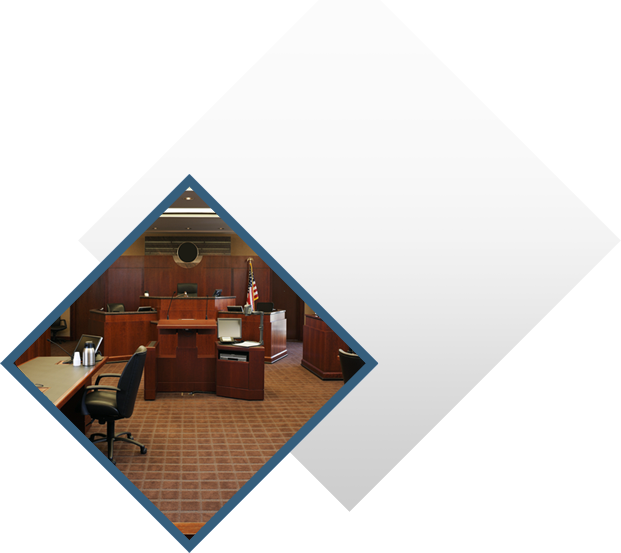
Even if the executor submits all the required documents promptly, the case may sit in line until the court can review and approve it. Unfortunately, there is little that can be done to speed up this process. Families should be prepared for the reality that months can pass before the probate petition is granted or hearings are scheduled.
2. Valuing assets
Certain assets require professional appraisals, such as real estate, jewelry or valuable collections. Appraisers may have their own schedules and availability, which can extend the probate timeline. Executors cannot simply guess asset values; they must provide accurate, documented figures for tax and legal purposes. This careful work takes time, regardless of how efficient the executor is.
3. Waiting periods for creditors
Probate law includes a mandatory waiting period to allow creditors to file claims against the estate. This helps ensure that all debts are identified and paid before the remaining assets are distributed to beneficiaries. Executors must follow the law strictly, as distributing assets before creditors are settled can create legal liability.
Delays in probate can feel stressful, but it’s important to recognize that many of them are built into the system and not the result of executor negligence. By understanding these factors, loved ones can understand when the delays are the executor’s fault and take necessary legal action to expedite the process.
